Private-residence-style Luxury Hotels 2026 Rise
A data-driven look at Private-residence-style luxury hotels 2026 shaping luxury travel, investments, and long-stay demand.
The luxury-hospitality sector is entering a defining year as Private-residence-style luxury hotels 2026 take visible shape across continents. In 2026, a growing roster of premium brands is blending hotel-style service with residential living, creating long-stay experiences that feel closer to a private club than a conventional hotel. In practice, this means more suites and apartments that come with hotel amenities, 24/7 concierge support, and curated programming designed for extended stays. The trend is not just about bigger rooms; it is about a reimagined lifestyle proposition that lets UHNW travelers, families, and multigenerational groups live within branded assets without sacrificing the polish and predictability of a five-star brand. This shift is underscored by concrete openings and recognitions in late 2025 and early 2026, signaling a broader market move rather than a niche experiment. For readers of Michelin Key Hotels and observers of luxury travel, the current year’s developments set a recognizable course for both operators and investors, with implications for occupancy stability, revenue mix, and guest experience. (michelinkeyhotels.com)
As industry observers connect the dots, the convergence of hotel operating know-how and residential-scale living is moving from a handful of flagship projects to a multi-market blueprint. In the wake of this shift, 2026 is shaping up as a pivotal year for hybrid models that fuse the discipline of hospitality with the intimacy and privacy of a private residence. The trend line is reinforced by executive-level announcements and awards activity that label long-stay and residence-focused formats as core to branding and growth plans. The broader market context—slow but steady hotel-supply growth in luxury segments, coupled with rising demand for longer stays—helps explain why so many brands are doubling down on residence-adjacent concepts. The combination of branded-residence projects and co-living-style schemes points to a durable shift rather than a temporary fad. (michelinkeyhotels.com)
What Happened
InterContinental Residence Suites Dubai Festival City signals a long-stay luxury prototype
In late 2025, InterContinental Residence Suites Dubai Festival City emerged as a high-profile example of the hybrid model, with 341 suites integrated into a luxury destination alongside traditional hotel services. The property’s long-stay orientation—paired with a full spectrum of five-star amenities—was highlighted in industry coverage and recognized through an awards nomination in November 2025. This asset is widely cited as a blueprint for future long-stay offerings within branded luxury flags, illustrating how a major hotel brand can fuse guest-resident experiences while maintaining brand standards. The asset’s location along Dubai Creek positions it to capture both city-center business demand and leisure travel, a combination increasingly seen as essential for sustaining occupancy across seasonal cycles. The Luxe Global Awards nomination on November 8, 2025, underscores the asset’s signaling effect for the market. (michelinkeyhotels.com)
Dusit Suites Kingsquare Bangkok and KingsQuare Residence illustrate Asia-Pacific’s dual-track strategy
Dusit International publicly disclosed in August 2024 a landmark dual project designed to fuse hotel accommodations with residential living: Dusit Suites Kingsquare Bangkok (hotels and serviced suites) and KingsQuare Residence (a separate luxury residential tower). The plan envisions a combined, mixed-use complex that will offer a continuum of services—from Dusit staff and housekeeping to premium amenities—across a total footprint that includes 60 rooms and 49 serviced suites in the hotel component and 222 residential units across 52 storeys in the KingsQuare Residence. The project was designed with a 2026 opening in mind, emblematic of Asia-Pacific’s appetite for multi-use properties that blur the line between home and hotel. This coordinated approach demonstrates how operators are testing governance models, service levels, and pricing across both components to deliver a seamless guest-resident experience. (michelinkeyhotels.com)
Radisson Collection ramps up residence-focused developments across key markets
Radisson Collection’s 2026 communications laid out a multi-market push into hotel-residence formats, signaling a broader corporate strategy around “hotel apartments” and branded-residence components. Notable 2026–2027 openings include Palazzo San Gottardo Lake Como in Italy (opening early 2026 with 72 rooms and suites), Radisson Collection Residence in Riyadh (opening Q1 2026 with 170 serviced apartments), Banke Opera Paris (opening Q4 2026 in a Belle Époque building), and Lincoln Casablanca (opening Q4 2026 in Morocco). These openings reflect a deliberate strategy to anchor residence-like living within iconic urban centers, aiming to deliver a consistent luxury standard while expanding the geographic reach of hotel-residence experiences. (michelinkeyhotels.com)
Branded residences and multi-brand ecosystems expand the playing field
Beyond single-property examples, industry coverage points to a rising pipeline of branded-residence projects as a structural shift in luxury living. The concept—hotels operating alongside or within adjacent residential towers—gains traction in Europe, the Middle East, and Asia-Pacific as developers partner with fashion houses, automakers, and wellness brands to extend brand identity into private living spaces. In markets such as South Florida and other gateway cities, branded residences are described as a “golden era” for hotel-branded living, with residents sharing spa facilities, clubs, and curated social programming with short-term guests. Market observers note that owners and investors increasingly see branded residences as a durable part of luxury portfolios, balancing capital allocation with the demand for lock-and-leave, brand-anchored living. (thetraveler.org)
The investment and market context reinforces the trend toward long-stay living
From a macro perspective, luxury hospitality sits at the intersection of rising wealth, shifting travel patterns, and the search for durable, revenue-stable formats. The latest industry outlooks emphasize that ultra-luxury supply has grown more slowly than demand in recent years, suggesting a favorable dynamic for well-capitalized residence-adjacent assets. The 2026 Global Hotel Investment Outlook from JLL illustrates that hotels represent a meaningful portion of global investment volumes, with regional variations in development momentum and a continued emphasis on high-end assets in urban centers. The report also highlights the potential for asset repositioning and diversification strategies, including the conversion or integration of PBSA (purpose-built student accommodation) and co-living formats into hospitality portfolios as a response to evolving demand. (jll.com)
A broader design and experience narrative underpins the shift
In parallel with the asset-level moves, design and experience-focused thinking frame Private-residence-style luxury hotels 2026 as more than a collection of suites. Industry voices emphasize a move toward integrated wellness ecosystems, privacy-preserving technology, and destination-first programming that blends local culture with high-end service. The luxury-hospitality design discourse for 2026 highlights the importance of hybridity—hotels designed as living landmarks that balance intimate public spaces with private residential zones, all while leveraging technology to deliver personalized but privacy-conscious experiences. The conversation around “quiet luxury” and intention-driven stays points to a shift in guest expectations: longer, more immersive experiences that feel exclusive without being ostentatious. (hospitalitynet.org)
Why It Matters
Shifting expectations among ultra-high-net-worth travelers and families
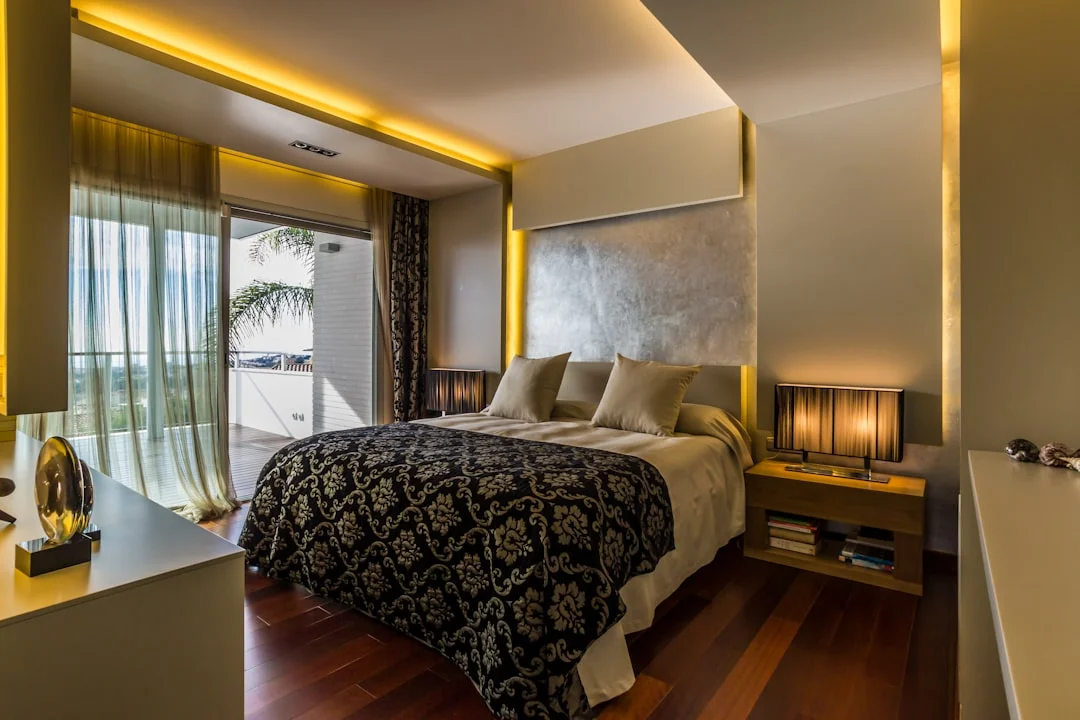
Photo by Isaac Quesada on Unsplash
The convergence of hotel service and private residence aligns with evolving preferences among UHNW travelers and multigenerational families. Skift emphasizes a 2026 luxury playbook built on intention, privacy, and a move away from maximal excess toward curated experiences. The idea of “hushpitality” and “quiet luxury” reflects a growing willingness to pay a premium for experiences that emphasize comfort, control, and reduced stimulation rather than more visible opulence. In practical terms, guests are seeking properties where they can host private events, access curated cultural programs, and enjoy staff-led services tailored to extended visits, all while maintaining a residence-like sense of space and privacy. For operators, this translates into longer average durations, more recurring revenue from service envelopes, and the opportunity to differentiate through bespoke programming and localized partnerships. (skift.com)
Economic and investment implications for luxury markets
From the capital markets perspective, the scale and pace of private-residence-style expansions reflect a strategic shift in where investors see durable value. The JLL Global Hotel Investment Outlook notes that luxury and ultra-luxury segments are key growth engines in an environment where demand remains robust even as supply grows at a measured pace. Hotels continue to command a meaningful share of global investment volumes, with cross-regional divergence in development momentum. The branded-residence subsegment adds a dimension of asset complexity but also potential for revenue stability, given longer-tenure guests and the ability to cross-leverage loyalty networks across properties. Knight Frank’s Global Branded Residence Survey 2025 (as cited in industry analyses) and related coverage indicate that major hotel groups are actively pursuing branded-residence projects in collaboration with non-traditional brand partners, signaling a new category of luxury real estate that blends lifestyle branding with property economics. (jll.com)
Technology, privacy, and governance shape guest trust
The technology dimension of Private-residence-style luxury hotels 2026 revolves around interoperable platforms that support seamless, privacy-forward experiences. Industry commentary in 2026 notes that operators are pursuing standardized platforms that enable personalization while preserving guest data privacy, a critical balance given the longer stays and broader resident-lifestyle expectations. The emphasis on privacy-friendly design and data governance frameworks is central to leveraging guest insights without compromising trust. When combined with wellness ecosystems and curated programming, this technology backbone helps explain why density of services and consistency of experience can translate into higher guest satisfaction and favorable revenue metrics over longer stays. (michelinkeyhotels.com)
Geographic and market dynamics shape where the trend takes hold
Europe, the Middle East, and Asia-Pacific are highlighted as early and active theaters for hybrid hotel-residence formats, with urban centers and resort hubs alike embracing the model. The 2026 market discourse suggests that cities with strong branding, cultural assets, and high-capital availability will drive the most rapid growth, while regulatory, zoning, and capital-availability factors will influence the pace and scale in other markets. The Radisson Collection announcements and InterContinental Dubai Festival City developments illustrate how global brands are tailoring residence-adjacent strategies to local contexts, balancing brand identity with destination-specific expectations. (michelinkeyhotels.com)
What’s Next
Short-term milestones for 2026
Looking ahead to the remainder of 2026, several concrete openings and strategic moves will shape the trajectory of Private-residence-style luxury hotels 2026. Early-2026 openings include the Palazzo San Gottardo Lake Como project, which is described as a design-forward asset within a renowned luxury portfolio and set to open with a mixed inventory of rooms and suites. The Riyadh Radisson Collection Residence, with 170 serviced apartments, targets a Q1 2026 opening as part of a high-density urban development. Banke Opera Paris and Lincoln Casablanca are positioned to open later in 2026, signaling a multi-market approach that leverages historic architecture and contemporary design to deliver residence-like living within a branded framework. In addition, InterContinental Residence Suites Dubai Festival City continues to pursue recognition and visibility for long-stay services, underscoring the ongoing validation of residence-focused formats in prestige markets. These milestones collectively point to a 2026 where branded residences move from aspiration to a measurable portion of a luxury operator’s portfolio. (michelinkeyhotels.com)
Medium-term outlook for 2026–2027 and beyond
The medium-term horizon suggests a continuing expansion of hotel-residence formats across global luxury markets, with a likely cadence of new partnerships and cross-market openings in major urban centers and resort destinations. The industry narrative emphasizes a staged growth path: expanding long-stay inventory, integrating wellness and social programming at scale, and maintaining rigorous governance and service standards across both hotel and residential components. This pattern aligns with JLL’s broader outlook on liquidity, demand, and market resilience, particularly in urban full-service hotels and premium-branded properties. As branded residences mature, expect more系列 collaborations with fashion houses, automotive brands, and wellness groups, each contributing to a more diverse and resilient luxury-hospitality ecosystem. (jll.com)
Closing
The evolution of Private-residence-style luxury hotels 2026 signals a clear shift in how luxury travel is defined and consumed. It is no longer enough to offer a lavish room and a rooftop pool; guests expect a seamless blend of home-like space, hotel-grade service, and curated community experiences that can extend across cities and continents. The deployment of long-stay-focused assets by InterContinental, Dusit, and Radisson Collection—alongside the broader branded-residence narrative—highlights both the market’s demand for durable, scalable formats and the operators’ willingness to experiment with governance, design, and technology at scale. As 2026 unfolds, readers can expect continued volatility in the broader travel landscape, but the private-residence approach provides a resilient revenue model anchored by longer stays, repeat visits, and brand loyalty across a growing portfolio of high-end properties. The coming months will reveal whether the early openings and awards recognitions translate into sustained occupancy and stable ADR growth, but the early data point to a credible, durable transformation in luxury hospitality. (michelinkeyhotels.com)
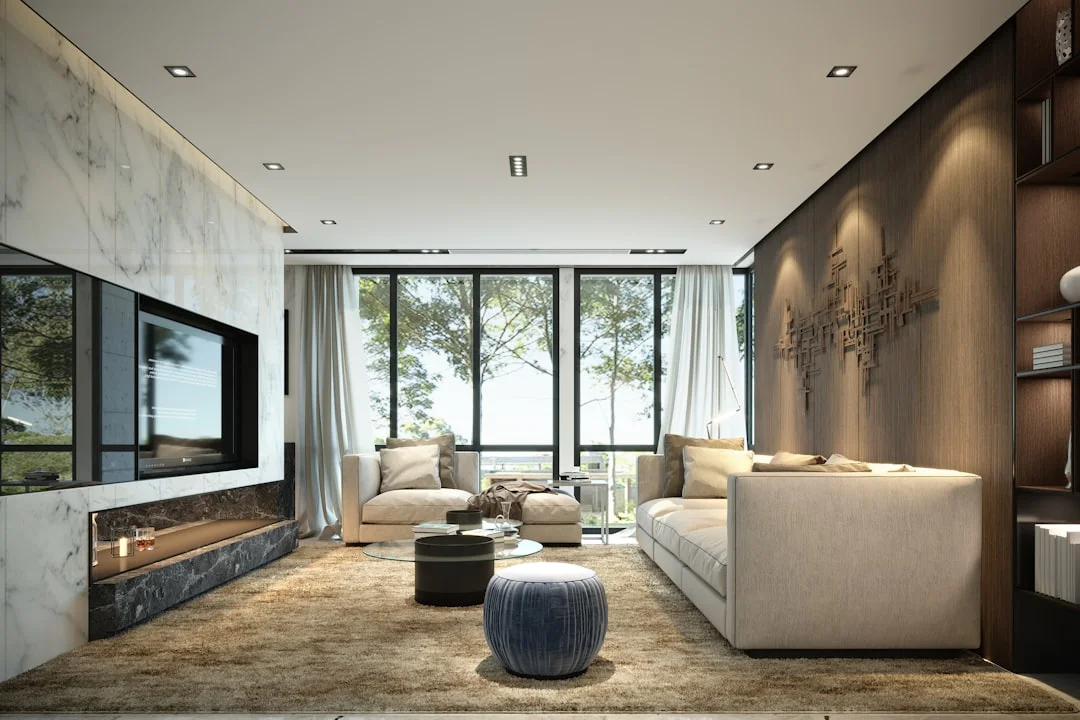
Photo by Aalo Lens on Unsplash
To stay updated on Guarded Privacy, branded-residence openings, and the evolving landscape of ultra-luxury hospitality, industry watchers should track brand disclosures, city-level zoning developments, and international trade coverage as this trend matures into a defining feature of the luxury hotel sector.
Author
2026/07/04