Gen Z and Millennial Luxury Hotel Experiences 2026
Data-driven analysis for Gen Z and Millennial luxury hotel experiences 2026, focusing on tech, trends, and strategic implications.
The hospitality industry is beginning 2026 with a sharper focus on what sets luxury experiences apart for younger travelers. A data-driven view into Gen Z and Millennial luxury hotel experiences 2026 shows that tech-enabled service, sustainability, and locally rooted design are becoming table stakes in upscale properties. As global markets recalibrate post-pandemic expectations, luxury brands are leaning into experiences that blend personalization with responsible operations, signaling a shift in how “luxury” is defined for the next generation of guests. This evolving landscape matters for operators, investors, and guests who expect frictionless service without sacrificing the human touch that defines premium stays. The latest analyses from Michelin Key Hotels synthesize industry signals across AI-powered guest experiences, design-forward renovations, and broader market trends shaping the luxury segment in 2026. (michelinkeyhotels.com)
Early 2026 activity underscores how Gen Z and Millennials are reshaping luxury stays. Industry observers point to AI-assisted personalization, multi-channel guest engagement, and a growing ecosystem of tech-enabled platforms that unify pre-stay, in-stay, and post-stay interactions. The aim is to deliver anticipatory, context-aware service at scale, while maintaining brand storytelling and local authenticity. In parallel, a broader set of market signals indicates sustained demand for high-end experiences driven by events, culinary programs, and wellness offerings. This combination of tech, experiences, and ESG alignment is now part of the core value proposition of luxury hotels targeting younger guests. (michelinkeyhotels.com)
As the year unfolds, stakeholders are watching three sets of developments: deployments of AI-powered guest services, the design and openings pipeline of luxury properties that emphasize local storytelling, and the ongoing recalibration of marketing and distribution to align with Gen Z and Millennial preferences. Deloitte’s 2026 Travel Industry Outlook highlights that Gen Z and Millennials now dominate travel demand in the United States, with meaningful implications for how luxury is defined and marketed. SiteMinder’s Changing Traveller Report 2026 adds a complementary view on how travelers discover and book stays, underscoring the growing role of events and the demand for high-quality on-site experiences. Taken together, these threads illuminate the near-term path for Gen Z and Millennial luxury hotel experiences 2026. (deloitte.com)
What Happened
AI-enabled guest experiences expand across luxury brands
In 2026, luxury hotels accelerated AI-powered guest experiences from pilots to enterprise-scale deployment. The trend line is clear: AI-driven concierge platforms, data-informed personalization, and cross-channel guest journeys are becoming standard operating practice in premium properties. The industry narrative frames AI not as a novelty but as a core capability for delivering faster service, deeper guest insights, and more consistent experiences across brands and portfolios. Canary Technologies’ AI-driven guest-management platforms and partnerships with major luxury brands illustrate this momentum, with multi-channel engagement, improved response times, and data-driven service optimization at the forefront. This shift is reinforced by executive analyses from major consultancies and trade press. (michelinkeyhotels.com)
AI and robotics in service: early deployments in 2026
A series of public demonstrations and deployments in early 2026 showcased robotics-augmented luxury service alongside AI-powered concierge. Notably, a high-end property segment has begun testing robotic massage and integrated robotic delivery in wellness and guest-service contexts, signaling a blended model of automation and human care at scale. Forbes coverage of a Ritz-Carlton property highlights hands-free service experiments and robotics-enabled experiences that are designed to free staff time for personalized guest interactions. While still in selective locations, these deployments illustrate the practical path of AI-powered guest experiences 2026 becoming a standard feature rather than a one-off innovation. (michelinkeyhotels.com)
Market signals and openings: 2026 pipeline and Madrid as a hub
Industry watchers highlight a robust pipeline of luxury openings and renovations in 2026, with design-forward concepts emphasizing local narratives, sustainability, and wellness. In Europe, Madrid stands out as a regional hub, with forecasts indicating a notable share of luxury openings in 2026. The pipeline signals that luxury operators are aligning capital allocations with high-visibility design programs and tech-enabled guest journeys to differentiate brands and drive loyalty. These dynamics are corroborated by market coverage from major outlets and regional analyses. (michelinkeyhotels.com)
The traveler landscape: events, value, and the Gen Z-Millennial mix
A key driver of demand in 2026 is event-driven travel, particularly among younger travelers. SiteMinder’s Changing Traveller Report 2026 finds that 63% of travelers are more likely to travel for special events next year, with Gen Z at 81% and Millennials at 74% traveling for concerts and festivals. Alongside event-driven demand, travelers are placing a premium on on-site quality and refined experiences, with 58% planning to choose superior or luxury rooms. This signals a combination of experiential expectations and price-conscious decision-making that luxury brands must address through differentiated, tech-enabled offerings. (siteminder.com)
Gen Z and Millennials as the demand engine
The generational shift in 2025 and 2026 positions Gen Z and Millennials as the driving force behind luxury travel demand in the United States. Deloitte notes that Gen Z and Millennials now dominate travel demand, with a clear emphasis on social-media-driven planning, sustainability actions, and AI-assisted trip planning. The luxury traveler among these groups prioritizes room features such as spa and pool amenities (Gen Z) or dining experiences ( Millennials), with Gen AI adoption rising in trip planning. These trends create a nuanced context for luxury hotels seeking to attract and retain younger guests. (deloitte.com)
Why It Matters
Tech-enabled experiences as a differentiator for premium brands

Photo by Anna Rosar on Unsplash
Technology is no longer a bolt-on feature for luxury hotels; it is a core differentiator in guest journeys. The industry evidence shows a converging set of priorities: AI-driven personalization, predictive service, integrated platforms, and seamless pre-stay to post-stay experiences. The luxury market’s 2026 playbook emphasizes the integration of technology with design and service to deliver consistent experiences across properties, while safeguarding data governance and guest privacy. For operators, this means pursuing interoperable tech stacks, standardized platforms, and measurable outcomes in guest satisfaction and revenue. (michelinkeyhotels.com)
Gen Z and Millennials: shaping marketing, service, and value
Gen Z and Millennials are reshaping not only what is bought and how stays are experienced, but how hotels market, price, and package experiences. Deloitte’s findings highlight that these generations account for a large share of demand and that their planning and decision-making are increasingly driven by social media, sustainability considerations, and AI-powered planning. The implications are clear: brands must craft experiences that feel responsive, responsible, and relevant to a younger audience, while ensuring comfort, spa and wellness, or culinary experiences align with guest expectations. This combination is shaping product development, loyalty programs, and on-property operations. (deloitte.com)
Sustainability and ESG as value propositions
Sustainability has moved from a buzzword to a core element of luxury branding. Gen Z and Millennials show higher propensity to act on sustainability in travel planning, and luxury hotels are responding with ESG-forward design, energy optimization, and waste-management programs that are integrated with guest experiences. Industry observers emphasize that sustainability is not just about compliance; it’s a storytelling and value-creation tool that resonates with younger travelers and their travel partners. (deloitte.com)
Operational resilience and workforce implications
AI-driven guest experiences are linked to operational efficiency and workforce dynamics. The moves toward automated front-desk tasks, AI-assisted dining and concierge programs, and cross-property data sharing are designed to free staff to focus on moments of high personalization and guest connection—an essential balance for luxury brands seeking to maintain service quality at scale. The conversation around governance, privacy, and data security remains central as operators chart a path toward AI-first operating models. (michelinkeyhotels.com)
What’s Next
Near-term milestones to watch in 2026 and beyond
The next phases of 2026 are expected to feature continued AI expansion, more design-forward renovations, and deeper ecosystem integrations. Industry analyses point to ongoing AI-enabled guest services, including concierge, room controls, and personalized recommendations that cross channels—from apps to in-room interfaces. Market signals indicate that operators will pursue standardized platforms to manage complexity and privacy while delivering scalable personalization. In parallel, major luxury openings and renovations will continue to emphasize tactile materials, sanctuary-like spaces, and authentic regional storytelling as part of the design-forward agenda. Analysts also expect more multimarket collaborations that align brand narratives with local culture and sustainable design. (michelinkeyhotels.com)
Long-range implications for brand strategy and operations
By 2027, the luxury hotel sector could see AI-first operating models become more mainstream, with guest journeys orchestrated across loyalty platforms, dynamic pricing, and real-time demand insights. Industry voices anticipate standardized tech platforms enabling consistent experiences across markets, while governance and privacy frameworks shape how data can be used for personalization. The strategic takeaway for operators is to balance the promise of AI-powered efficiency with a human-centric service ethos, ensuring that technology enhances but never replaces the core hospitality craft. Market signals suggest this approach will be critical for sustaining guest satisfaction, loyalty, and portfolio resilience in a competitive luxury segment. (michelinkeyhotels.com)
Closing
As luxury travelers increasingly expect tech-enabled, personalized, and sustainable stays, Gen Z and Millennial luxury hotel experiences 2026 are shaping a market where hospitality design, digital acceleration, and authentic guest moments converge. The evidence from Michelin Key Hotels’ data-driven analyses, combined with independent industry research, points to a year where hotels must coordinate technology, design, and service into a cohesive ecosystem. For readers and practitioners, staying attuned to AI-driven guest experiences, ESG-aligned design, and market signals—such as Madrid’s luxury openings and the evolving behavior of younger travelers—will remain essential as the 2026 landscape evolves toward 2027 and beyond.
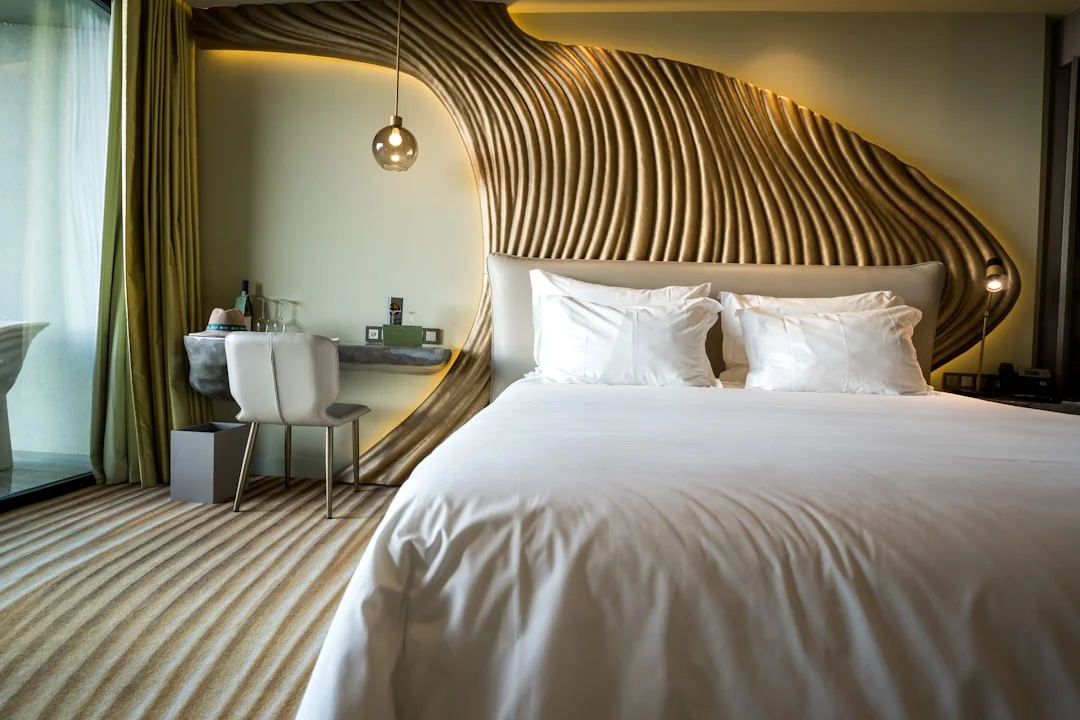
Photo by Antonio Araujo on Unsplash
To stay updated on the latest developments in luxury hospitality in 2026, monitor major trade publications, hotel groups’ newsroom pages, and trusted industry analyses that illuminate the intersection of technology, market dynamics, and guest experience. The convergence of data, design, and service in Gen Z and Millennial luxury hotel experiences 2026 is not a fleeting trend; it’s a framework guiding how premium brands create value, differentiate, and deliver meaningful stays in a rapidly changing world. (michelinkeyhotels.com)
Author
2026/07/01