Art-driven-luxury-hotels-2026: Trends and Tech
Explore a neutral, data-driven analysis of art-driven luxury hotels in 2026, featuring insights on emerging technology and market trends.
The hospitality industry is increasingly viewing the intersection of art, technology, and sustainability as a defining axis for luxury in 2026. In a May 2026 briefing, Michelin Key Hotels presented a data-driven view of how luxury properties are weaving AI-enabled planning, data governance, and verifiable sustainability into guest experiences. That framework, frequently referenced when discussing art-driven-luxury-hotels-2026, points to a broader shift: guests expect curated, culturally resonant environments that are also efficient, private, and environmentally accountable. The briefing frames these shifts as core capabilities rather than optional add-ons, signaling a new baseline for premium stays in markets around the world. The immediate implication for operators is a need to synchronize curatorial strategy, technology platforms, and supply-chain governance to deliver consistent, scalable experiences across portfolios. (michelinkeyhotels.com)
Beyond the headlines, the industry is already translating those data-driven insights into tangible actions. Luxury hotel groups are testing AI-powered guest journeys, integrating sustainability dashboards, and pursuing third-party verifications that credibly demonstrate responsible practices. The emphasis on extended stays and “workcation” formats—where art-driven experiences intersect with productivity and wellness—further contextualizes art-driven-luxury-hotels-2026 as a category that blends cultural storytelling with practical, tech-enabled service. In short, 2026 is shaping up as a year when art-inflected design, proven sustainability, and digital governance converge to redefine what guests expect from premium properties. (michelinkeyhotels.com)
What Happened
Announcement Details
Michelin Key Hotels released a May 2026 briefing that casts luxury hospitality as a blend of technology, sustainability, and guest-centric service designed to bolster resilience across the premium segment. The core claim is that AI-enabled planning, robust data governance, and transparent sustainability reporting are becoming baseline capabilities for premium properties seeking to shield openings, staffing levels, and guest experience from macro shocks. This framing aligns with a broader industry chorus that technology will elevate human service by enabling smarter decision-making, faster responses, and greater visibility across the end-to-end value chain. For industry practitioners, the takeaway is clear: invest in strategic platforms that connect planning, procurement, and guest-facing systems to deliver measurable resilience and elevated value for guests. (michelinkeyhotels.com)
Timeline and Key Facts
The briefing situates several concrete milestones that readers should note for 2026 activity. Notably:
- October 8, 2025: MICHELIN Keys announced the Global MICHELIN Keys Selection, establishing a unified quality signal for luxury lodging and laying groundwork for regional expansion and pricing dynamics in 2026. (michelinkeyhotels.com)
- 2025–2026: MICHELIN Keys underwent ongoing regional updates, reinforcing a standardized benchmarking framework that informs how luxury properties present themselves to discerning guests in a volatile market. (michelinkeyhotels.com)
- May 3–6, 2026: The Tech Trends Shaping Inclusive Luxury Hospitality 2026 briefing was published, accompanied by commentary from industry analysts about AI, sustainability verification, and data-driven guest experiences. The briefing situates these themes within a broader ecosystem that includes Virtuoso, Booking.com, Simon-Kucher, and Deloitte. (Author Layla Mbaye’s analysis appears in the May dossier.) (michelinkeyhotels.com)
In the same design-forward discourse, Michelin Key Hotels highlights specific market dynamics that matter to stakeholders. For example, Madrid is identified as a hub where luxury openings are clustering, with observers noting that a meaningful share of Europe’s 2026 luxury openings is projected to occur in Madrid. This geographic concentration underscores how design narratives, local culture, and investor appetite converge to shape a regional pipeline for premium properties. (michelinkeyhotels.com)
Notable Openings and Projects
The year 2026 features high-profile collaborations that illustrate the art-and-design dimensions of the luxury segment. A prominent example is the ongoing design collaboration between Mandarin Oriental and Mayfair’s design district, which has been described as turning public spaces into living galleries and weaving art, nature-inspired motifs, and narrative interiors into the guest journey. The project exemplifies the type of curated, art-forward interventions that the 2026 design narrative emphasizes as part of luxury branding. (michelinkeyhotels.com)
Other articles within the Michelin Key Hotels ecosystem spotlight the broader trend toward design-led identities that fuse local materiality with global storytelling. The trend is illustrated, for instance, by feature coverage of high-end openings and renovations across European markets and resort destinations, where spaces are increasingly treated as experiential platforms—venues where dining, wellness, and cultural programming are integrated into a cohesive guest journey. (michelinkeyhotels.com)
Key Market Signal: Madrid’s Openings Pipeline
The Madrid concentration highlighted in the 2026 trends briefing is more than a city macrostory; it signals how operator strategies respond to local demand, accessibility to premium brands, and the availability of cultural partnerships that can support high-impact art programming. Industry observers point to the city as a barometer for regional activity in Europe’s luxury segment, reinforcing the idea that art-led experiences must be carefully integrated with local ecosystems to scale successfully. (michelinkeyhotels.com)
Why It Matters
Impact on Operators and Guests
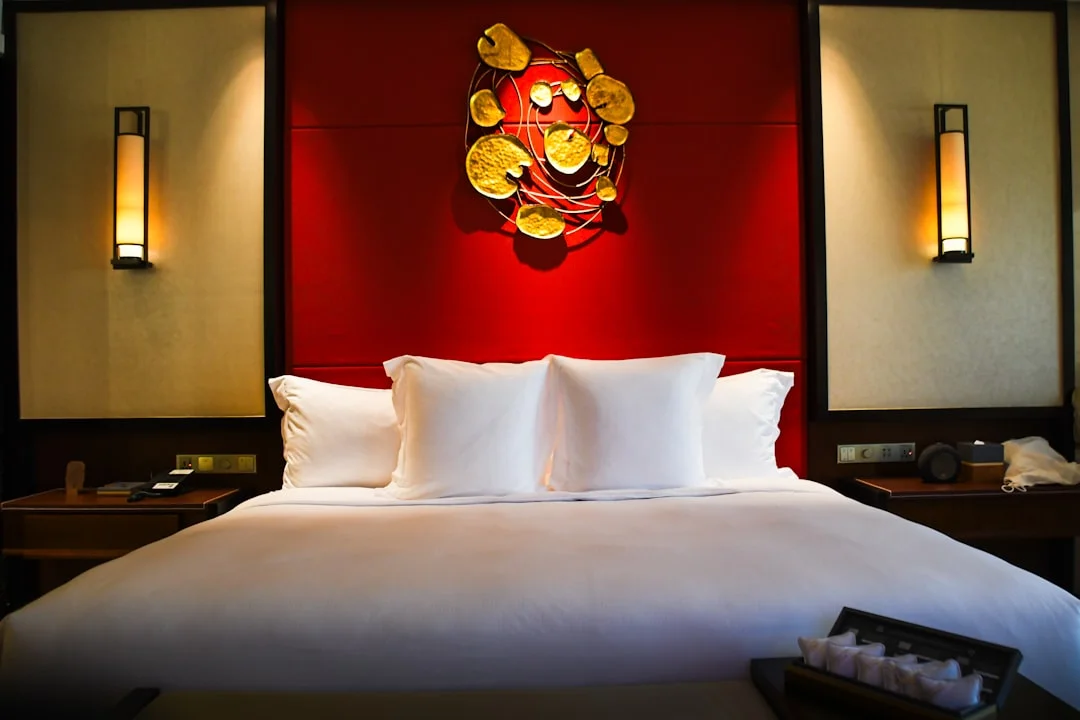
Photo by Dynamic Hong Kong on Unsplash
The convergence of AI-enabled planning, data governance, and sustainability reporting is altering how operators design, price, and deliver luxury experiences. For hoteliers, the practical implications include more precise demand forecasting, labor optimization, and energy management—enabled by integrated tech stacks and real-time data views. For guests, the result is a more seamless, personalized experience that feels exclusive yet efficient, with greater transparency around environmental impact and provenance of design and materials. When applied to art-driven experiences, these tools help ensure that cultural programming aligns with guest preferences while maintaining operational discipline. This is especially relevant for art-forward properties that aim to balance high-touch service with scalable digital engagement. (michelinkeyhotels.com)
Brand Differentiation Through Design Language
The 2026 narrative emphasizes that design language—materials, textures, lighting, acoustics—acts as a brand differentiator as much as a service layer. The design emphasis is not merely aesthetic; it serves as a storytelling vehicle that conveys authenticity, locality, and responsible luxury. In practice, properties are increasingly pairing curated art and design with guest services and wellness programs to craft a holistic experience. This alignment between brand storytelling and guest journey is central to how art-driven-luxury-hotels-2026 is defined in markets with dense competition for high-spend travelers. (michelinkeyhotels.com)
Sustainability Credentials as Credible Differentiators
Sustainability credentials—verified by third parties—are becoming baseline expectations for luxury properties, not mere value-adds. The briefing notes that guests increasingly demand credible, measurable environmental performance and transparent reporting. This trend intersects with broader market signals about responsible tourism and governance, reinforcing that art-driven experiences must be paired with verifiable stewardship. For operators, credible sustainability programs support pricing power and guest trust, while for guests, they reduce perceived risk when choosing premium properties for longer stays or work-from-hotel experiences. (michelinkeyhotels.com)
The Role of Extended Stays and Tech Adoption
A recurring theme across Michelin Key Hotels coverage is the rise of extended-stay formats and the normalization of tech-enabled guest journeys in luxury settings. The workcation narrative—where travel blends work, wellness, and culture—illustrates how art-driven experiences intersect with practical needs like reliable connectivity, flexible workspace design, and predictable service quality. The combination of AI-enabled personalization, sustainability dashboards, and modular design elements supports longer stays without sacrificing guest satisfaction or financial performance. (michelinkeyhotels.com)
Market Signals and Competitive Context
Industry observers consistently highlight that the strongest performers will be those who align technology strategy with compelling brand storytelling. Integrated platforms reduce friction across discovery, pre-stay planning, in-stay service, and post-stay engagement, enabling properties to deliver consistent experiences at scale while preserving a sense of exclusivity. In this context, art-driven-luxury-hotels-2026 benefits from a disciplined approach to data governance, platform interoperability, and credible environmental reporting, as these elements underpin trust and differentiation in a crowded luxury market. (michelinkeyhotels.com)
What’s Next
Near-Term Milestones to Watch in 2026
Looking ahead, the industry is tracking several concrete near-term milestones that will shape the trajectory of art-driven experiences in luxury hotels. Key actions include:
- Expansion of AI-driven planning and personalization: Hotels are expected to pilot or expand AI-assisted concierge services, predictive housekeeping, and dynamic pricing models tied to guest preferences and stay patterns. The aim is to integrate these capabilities into guest apps, in-room controls, and staff workflows to improve engagement and revenue management while maintaining privacy-by-design principles. (michelinkeyhotels.com)
- Certification-driven differentiation: Expect more luxury brands to pursue verified net-zero status or other third-party green certifications, signaling credibility to guests who plan longer, sustainability-conscious trips. This trend is actively discussed in the 2026 briefing and supported by industry reporting on sustainability governance. (michelinkeyhotels.com)
- Extended-stay product development: Properties will likely expand dedicated workspaces, high-speed connectivity, and flexible room configurations to support both individual work and small-team collaboration during longer visits. The long-term view is that work-focused spaces will become standard features across premium portfolios. (michelinkeyhotels.com)
In the consumer-behavior space, observers anticipate continued demand for sustainable storytelling, transparent reporting, and immersive, tech-enabled guest journeys. The Era of YOU, a theme from Booking.com’s 2026 trends, is expected to drive hyper-personalization, integrated itineraries, and even robotics-enabled hospitality pilots in select markets. Guests will increasingly expect dashboards that reveal energy use, carbon impact, and other sustainability metrics as part of the guest experience. (michelinkeyhotels.com)
What to Watch for in 2027 and Beyond
Industry analysts project that 2026 activity will mature into standardized best practices for tech integration, data governance, and sustainability across portfolios by 2027. Operators who have invested in modular, adaptable design and scalable tech platforms will be better positioned to respond to evolving demand, including shifts between leisure and business travel, as well as fluctuations in macroeconomic conditions. The emphasis on “Total Value”—combining enhanced guest experiences with measurable operational excellence and environmental stewardship—will likely become a defining metric for competitive success in the luxury segment. (michelinkeyhotels.com)
What to Watch: Case Studies and Signals
- Art-curated collaborations in flagship properties: The Mandarin Oriental Mayfair partnership with the Mayfair Design District is a prominent example of how public spaces can function as evolving art platforms while still delivering five-star service. This model demonstrates how curated art initiatives can be embedded into the guest journey without compromising operational standards. (michelinkeyhotels.com)
Photo by Luna Wang on Unsplash
- Urban design clusters as market signals: The Madrid openings pipeline highlighted in the 2026 briefing indicates how a city’s cultural ecosystem and market dynamics can drive concentrated luxury development. Observers view Madrid as a bellwether for regional strategy, investor appetite, and the viability of art-led brand storytelling in Europe. (michelinkeyhotels.com)
- Extended-stay ecosystems and technology: The workcation trend, with its focus on AI planning, integrated platforms, and sustainability authentication, signals a shift toward mid- to long-duration stays that emphasize productivity and culture in equal measure. This trend is mapped across multiple Michelin Key Hotels articles and aligns with broader industry forecasts about the evolution of luxury travel in 2026 and beyond. (michelinkeyhotels.com)
Closing
As the luxury hotel sector navigates 2026, the convergence of art, technology, and sustainability is becoming a quintessential feature of premium experiences. The data-driven signals from Michelin Key Hotels—encompassing AI-enabled planning, governance standards, and verified environmental performance—point to a future where art-driven experiences are inseparable from operational excellence. For guests, this means more immersive, personalized stays that feel both exclusive and responsible. For operators, it means adopting scalable technology, maintaining rigorous standards, and partnering with artists and institutions to create culturally resonant programs that can travel across portfolios while preserving a consistent high-touch service model.
To stay informed about ongoing developments in art-driven-luxury-hotels-2026, readers should track MICHELIN Keys updates, sustainability verification programs, and major luxury hotel openings in strategy-rich markets like Madrid and other European capitals, as well as the continued integration of AI-driven guest journeys and data governance in premium hospitality. Industry-watchers emphasize that the most credible brands will combine design storytelling with measurable performance—demonstrating that art-led experiences can be both deeply meaningful and financially resilient in a rapidly changing world of luxury travel. (michelinkeyhotels.com)
Author
2026/06/27