
APAC Luxury Hotel Openings 2026: Michelin Keys Watch
Data-driven look at APAC luxury hotel openings 2026 across Asia-Pacific, including brand rollouts and tech-driven guest experiences.
APAC luxury hotel openings 2026 are shaping a watershed year for Asia-Pacific's premium hospitality scene, as top brands accelerate growth across gateway cities and resort destinations. A recent Hilton corporate release highlighted eight new luxury and lifestyle brand entries into markets across Asia Pacific this year and projected more than 15 openings in 2026, signaling a concerted push to scale premium experiences in both urban centers and leisure hotspots. This momentum follows a wave of notable rollouts and brand debuts that underscore the region’s appetite for high-end hospitality that blends design, service, and technology at scale. (stories.hilton.com)
The openings pipeline in 2026 spans multiple countries and formats—from city-center luxury towers to wellness-forward resort enclaves. Notable developments already confirmed include Imperial Hotel Kyoto, which is slated to open on March 5, 2026, marking a significant addition to Japan’s luxury hotel landscape. The rollout also features brand entries and debuts in Southeast Asia and beyond, with Canopy by Hilton noted as having recently opened in Okinawa, signaling Hilton’s broader strategy to embed its premium lifestyle brands across APAC markets. (michelinkeyhotels.com)
As the year progresses, observers will watch how these openings connect with broader technology strategies in hospitality. Michelin Key Hotels and related industry analyses emphasize that APAC openings in 2026 are intertwined with tech-enabled guest experiences, design-forward storytelling, and differentiated wellness concepts—elements that are increasingly treated as core to luxury differentiation rather than optional add-ons. This context helps explain why the region is predicted to host a large share of the year’s luxury openings, given both demand dynamics and capital flows aimed at premium experiences. (michelinkeyhotels.com)
What Happened
APAC Luxury Expansion Momentum
The latest industry disclosures point to a continued surge in APAC luxury and lifestyle hotel openings for 2026, driven by flagship brands expanding in multiple markets. Hilton, for example, has publicly stated plans for more than 15 openings in 2026 across Asia Pacific, complemented by eight new brand entries into APAC markets this year. This signals a deliberate multi-brand, multi-market strategy rather than a single-property push. (stories.hilton.com)
In parallel with brand-driven growth, visible project milestones include high-profile openings and announced debut projects in key cities. Imperial Hotel Kyoto is scheduled to open on March 5, 2026, adding a new flagship to Japan’s luxury hotel ecosystem and contributing to a more competitive Tokyo-Kyoto luxury corridor. This opening is part of a broader trend of design-forward, culturally resonant properties that aim to attract both domestic travelers and international arrival flow. (michelinkeyhotels.com)
Notable Projects and Timelines
Canopy by Hilton’s Okinawa debut represents one of the region’s mid-market luxury continuums, where the brand’s laid-back, locally attuned design language is being used to attract leisure travelers seeking premium experiences without the formality of traditional luxury. Hilton’s announcements position Canopy’s Okinawa presence as a catalyst for broader Southeast Asia rollouts, including planned 2026 openings under the same luxury and lifestyle umbrella. (stories.hilton.com)
In Southeast Asia, Kuala Lumpur emerges as a focal point for Hilton’s APAC expansion, with anticipated openings in Q3 2026 that align with the city’s growing status as a regional hub for business and luxury tourism. The Kuala Lumpur project, part of Hilton’s APAC pipeline, underscores a trend toward cluster development in capital cities where demand for premium experiences is robust across both corporate and leisure segments. (stories.hilton.com)
The broader market context includes a wave of anticipated brand debuts and relocations within the APAC luxury sector. Media roundups and industry reports frequently highlight a mix of urban hotels and resort properties entering 2026, including well-known luxury brands exploring new markets or elevating their foothold in existing markets. Time Out’s Asia-focused roundup for 2026, for example, captures a breadth of hotel openings across the region, illustrating the breadth of opportunities and the level of interest from global luxury operators. (timeout.com)
A Snapshot of the 2026 APAC Luxury Pipeline
- Imperial Kyoto (Japan) — Opening March 5, 2026. This project exemplifies the trend toward culturally infused luxury properties that fuse traditional design cues with contemporary guest experiences. (michelinkeyhotels.com)
- Canopy by Hilton (Okinawa, Japan) — Recently opened as part of Hilton’s Asia Pacific luxury and lifestyle expansion, signaling the brand’s commitment to premium beach destinations in the region. (stories.hilton.com)
- Waldorf Astoria Kuala Lumpur (Malaysia) — Part of Hilton’s multi-brand strategy in APAC, contributing to a multi-property portfolio in a single city and reinforcing KL as a premium hub. (edgeprop.sg)
- Conrad Kuala Lumpur (Malaysia) — Another luxury property tied to Hilton’s Kuala Lumpur expansion, strengthening the high-end portfolio in the Malaysian capital. (edgeprop.sg)
- Q3 2026 Kuala Lumpur openings — A focal point within Hilton’s APAC pipeline, illustrating a timed, city-centric approach to brand entry and market share gain. (stories.hilton.com)
- APAC-wide wave of brand entries and higher-volume openings — The broader strategy involves eight new luxury and lifestyle brand entries across APAC this year and more than 15 planned openings in 2026. These figures frame the scale of expansion beyond a handful of flagship properties. (stories.hilton.com)
Sector Context and Tech-Forward Trends
Across APAC, luxury openings in 2026 are increasingly tied to technology-enabled guest experiences. Industry analyses emphasize scalable digital platforms, contactless services, and data-driven personalization as standards rather than exceptions in new openings. This aligns with a broader global trend but takes on a distinctive APAC emphasis given the region’s rapid digital adoption and high-speed connectivity. (michelinkeyhotels.com)
Market observers also note that APAC’s luxury hotel openings are not just about new rooms but about redefining guest journeys through design-led concepts, wellness integrations, and local storytelling. This is a recurring theme in APAC-focused luxury outlooks and is cited as a primary differentiator for openings in 2026 and beyond. (michelinkeyhotels.com)
Why It Matters
Market Implications and Demand Dynamics

Photo by John Cameron on Unsplash
The APAC luxury hotel openings 2026 trend reflects strong demand in major gateway cities and premium leisure destinations across the region. This demand is supported by both inbound international travelers and resilient domestic tourism in several APAC markets. The Hilton pipeline serves as a leading indicator of how global brands are sizing markets and coordinating openings to maximize occupancy and average daily rate growth in a landscape that rewards first-mover advantage in well-planned urban corridors. (stories.hilton.com)
Analysts highlight that APAC continues to attract substantial capital for premium hospitality, with investors seeking to diversify exposure across high-end brands and unique property concepts. The concentration of openings in hubs like Bangkok, Kuala Lumpur, Tokyo, Osaka, and Okinawa demonstrates a multi-market approach designed to spread risk and capitalize on differing customer bases—from luxury urbanites to affluent leisure travelers. While precise capital figures are not published here, industry coverage consistently points to robust deal activity in APAC luxury segments. (timeout.com)
Technology, Design, and Guest Experience
A recurring theme across APAC luxury openings is the integration of technology-driven experiences with design storytelling. Hotels are increasingly presenting seamless digital interfaces for check-in, room controls, and personalized recommendations, while leveraging local culture and design language to create differentiated stays. This is reflected in the way 2026 openings are framed by industry outlooks, which emphasize technology as a core enabler of guest satisfaction and operational efficiency. (michelinkeyhotels.com)
Wellness-forward and experiential luxury concepts also appear prominently in the APAC pipeline, with properties aiming to deliver curated experiences that resonate with regional travel incentives and lifestyle preferences. The inclusion of wellness-forward properties and the emphasis on meaningful guest programming are highlighted in luxury hotel coverage for 2026 and beyond. (timeout.com)
Competitive Landscape and Brand Strategy
- The APAC market presents a competitive landscape where global brands increasingly collaborate with local operators and developers to tailor properties to regional tastes and regulatory environments. The Hilton example—covering eight new brand entries and a sizable planned opening slate in 2026—illustrates a strategic approach to market entry that pairs brand diversification with measured scale. The presence of brand debuts such as Waldorf Astoria and Conrad in KL underscores the importance of flagship experiences in high-potential cities, while Canopy by Hilton’s regional placements reflect a tiered strategy across price points and guest preferences. (stories.hilton.com)
What’s Next
Near-Term Openings to Watch
Q3 2026: The Kuala Lumpur market is poised to welcome Hilton’s new luxury and lifestyle properties in a tight timeline, reflecting a year of intense activity in Malaysia’s capital. Prospective guests and investors will be watching for early occupancy figures, guest feedback on service personalization, and how these properties differentiate themselves in a crowded market. (stories.hilton.com)
March 5, 2026: Imperial Hotel Kyoto opens, creating a new benchmark for luxury heritage properties in Japan. This milestone will likely be a litmus test for the evolving luxury archetypes in traditional Japanese hospitality—balancing historical sensitivity with modern comfort and technology-enabled guest services. (michelinkeyhotels.com)
Okinawa: Canopy by Hilton’s ongoing presence in Okinawa demonstrates Hilton’s ongoing experimentation with premium beach destinations in APAC. The brand’s Okinawa property serves as a case study for how premium lifestyle hotels are positioned to capture both domestic weekend travelers and international beach-seekers. (stories.hilton.com)
Longer-Term Developments and Trends to Track
Brand Debuts and Regional Focus: The APAC luxury openings 2026 landscape is likely to see continued brand diversification, with additional entry into markets such as Bangkok and Bengaluru and potential luxury resort chapters in popular island and coastal destinations. Hilton’s multi-brand approach provides a blueprint for how a single group can balance scale with guest segmentation, leveraging Canopy for lifestyle experiences and Waldorf Astoria or Conrads for more formal luxury. (stories.hilton.com)
Design and Tech Integration: Observers anticipate a continuing emphasis on design-forward properties that pair regional authenticity with cutting-edge technology—ranging from mobile-first check-in flows to in-room automation and data-driven guest personalization. This aligns with the broader APAC luxury hospitality outlook that stress-tested properties are expected to deliver higher net promoter scores through seamless service and bespoke experiences. (michelinkeyhotels.com)
Market Signals and Performance Metrics: While the precise performance metrics for 2026 openings are not publicly disclosed in the sources cited here, market watchers will be looking at occupancy trends, ADR growth, and RevPAR performance to assess whether APAC’s luxury openings translate into sustained profitability across diverse markets. Industry analyses emphasize that the success of 2026 openings will depend on local demand resilience, effective pricing, and the ability to deliver scalable, memorable experiences at a premium price point. (michelinkeyhotels.com)
Closing
The APAC luxury hotel openings 2026 narrative is unfolding as a multi-faceted story of brand expansion, curated guest experiences, and technology-enabled service design. Hilton’s APAC push—with eight new brand entries and a forecast of more than 15 openings in 2026—helps illuminate a broader regional strategy that blends urban and resort growth, heritage properties, and wellness-forward concepts. The confirmed March 5, 2026 opening of Imperial Kyoto adds to a calendar that already features Canopy by Hilton’s Okinawa presence and a Kuala Lumpur pipeline targeting Q3 2026 openings, illustrating the region’s dynamic and diversified approach to luxury hospitality. (stories.hilton.com)
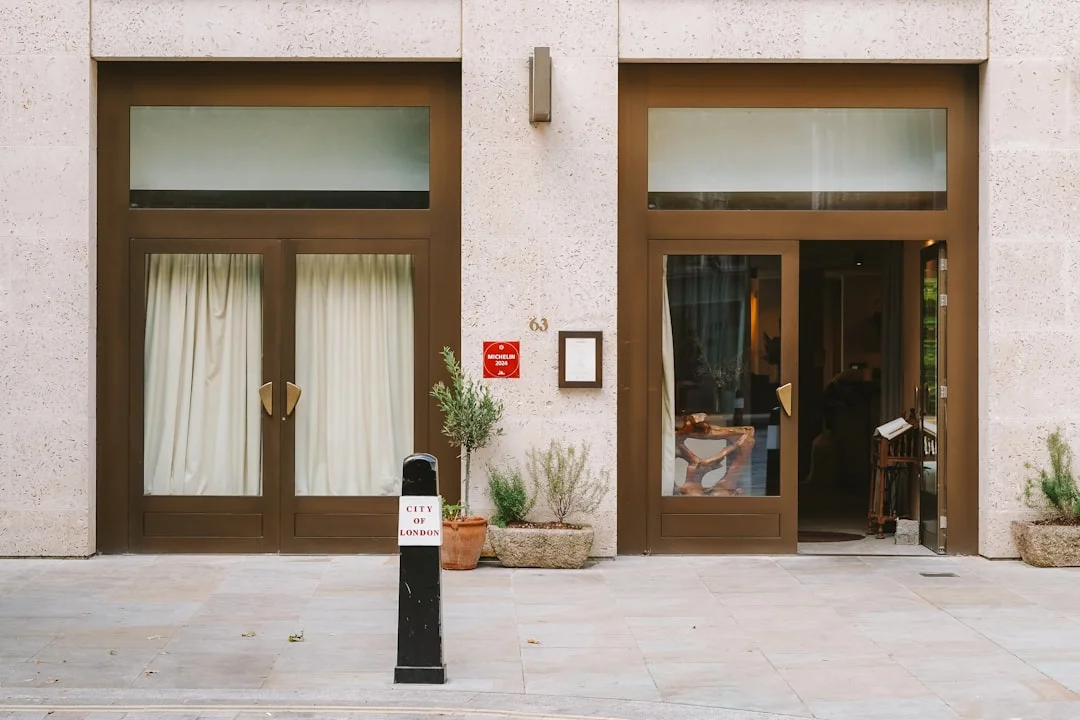
Photo by Jumpy Wizard on Unsplash
As the year progresses, readers and industry stakeholders should monitor how these openings perform in a post-pandemic travel environment, how tech-enabled guest experiences evolve in practice, and how local market conditions influence occupancy and pricing power. For ongoing coverage, follow industry roundups and brand disclosures, including hospitality outlets and trade publications that track opening timelines, brand strategies, and market responses. The APAC luxury hotel openings 2026 landscape remains a live story, with new confirmations and milestones expected to shape travel and hospitality in the region for years to come. (timeout.com)
Author
2026/07/12


